When another driver follows too closely, your first job is to keep control of your own car. Stay predictable, leave more room ahead, and find a safe way to let them pass.
Brake-checking, speeding up beyond a safe pace, or trying to teach the other driver a lesson adds danger. The person behind you has already reduced the room available for a normal stop. Sudden reactions make that situation worse.
At Complete Automotive Repair Specialists, we help drivers address the vehicle side of safe travel. Sound brakes, tires, and lights support your response, while calm decisions keep someone else's impatience from setting your pace.
Increase Your Space Ahead When Being Tailgated
A close follower changes what happens if traffic ahead slows. Leaving more room in front gives you extra time to ease off the accelerator and brake gradually. That space is for your response, not an invitation to speed away. Watch farther up the road for stopped traffic, turning vehicles, pedestrians, and developing congestion. Earlier recognition reduces the need for a sharp stop. Use a following interval that fits speed, weather, visibility, and road conditions. A dry-road gap won't fit every rainy or icy trip. If the driver behind stays close, keep space ahead rather than letting pressure push you toward the next bumper.
Keep Braking and Steering Predictable
Signal planned turns and lane changes in advance. Brake smoothly when conditions permit, and avoid sudden lane movements intended to surprise the driver behind.
An emergency still requires the braking needed to avoid a collision. The goal is to remove avoidable surprises, not to delay a necessary response because someone is following too closely.
Keep looking ahead as well as checking the rearview mirror. Watching the tailgater constantly steals time from the traffic you're responsible for. A quick mirror check shows their position; the road ahead tells you what you need to do next.
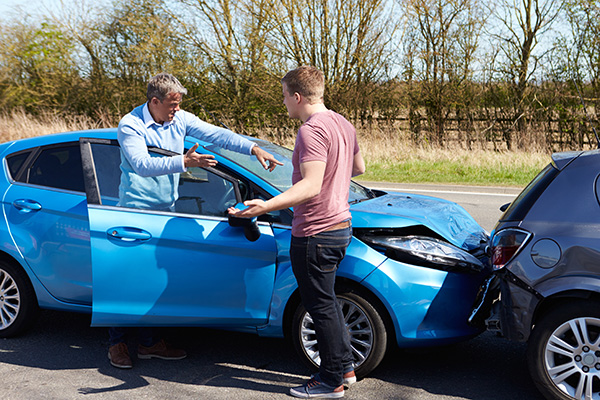
Don't gesture or engage in an argument through the windows. It changes nothing about the space between the vehicles and distracts both drivers.
Letting a Tailgater Pass in Changing Road Conditions
On a multilane road, a clear lane can let you move aside and let the driver pass. Signal, check mirrors and the blind spot, and make the change only when the space is open.
On a narrower road, look for a safe, legal stopping place or turn that takes you away from the pressure. A parking area or clearly separated pull-off is different from an unprotected shoulder beside fast traffic.
Avoid swerving onto the shoulder or stopping abruptly in a travel lane. The attempt to let someone pass shouldn't create a new collision risk. If no safe opening exists, continue predictably until one develops.
Around Cromwell, turning into a familiar parking area often gives you more room to resolve the situation than squeezing aside on a tight road. Choose the place based on visibility and traffic, not simply the first gap beside the pavement.
Reduced grip and limited sight distance make close following more dangerous. Slow to a pace that fits the road and increase the space ahead.
Your tires and brakes still have to transfer force through the available road grip. Electronic safety systems help within their operating limits; they don't give a close-following driver extra room to stop.
Avoid accelerating into standing water or taking a turn faster just to increase the gap behind. That transfers the risk to your own car. Stay within the conditions and let the other driver leave when a safe opportunity appears.
If visibility becomes inadequate, find a separated stopping area. Don't keep going just because the driver behind wants to go faster; don't drive beyond what you can see.
Responses That Add Risk to a Tailgating Situation
Avoid these reactions:
- Braking sharply to punish the driver
- Speeding beyond the conditions to escape
- Staring continuously in the rearview mirror
- Making a sudden move onto an unsafe shoulder
They reduce your control at the moment you need it most. A predictable response gives nearby drivers a better chance to understand your path.
When Tailgating Becomes Aggressive Driving
Threatening behavior, attempts to block you, or repeated pursuit changes the situation. Keep doors locked, avoid confrontation, and look for a safe public location.
If you feel threatened, contact emergency services when you can do so safely. A passenger should make the call if one is available. Explain the location and behavior without trying to take photos or operate a phone while driving.
Don't lead a threatening driver to your home. Follow directions from emergency personnel and prioritize reaching a place where help is available. The road details and immediate threat determine your response, so avoid improvising a high-speed escape.
Vehicle Checks After a Tailgating Incident
Working brake lights communicate when you slow. A failed lamp leaves the driver behind with less warning, so check lighting while parked and arrange repair promptly.
Brake performance also needs to remain predictable. Pulling, a soft pedal, or grinding calls for an inspection before you need a hard stop in traffic. Damaged, underinflated, or unevenly worn tires change how the car grips and steers.
If the car behaves differently from its normal response, describe that change at the appointment. We inspect the affected components and explain the repairs supported by the findings.
Once the other driver passes, rebuild your normal following interval and return focus to the road. Avoid following them closely in return.
A brief stop in a safe parking area sometimes helps after a stressful incident. Take that break before continuing if you're too upset to concentrate on the next traffic situation.
Check the car if the incident involved a curb impact, hard braking followed by a new vibration, or another physical event. If steering or braking changes after that event, inspect it instead of blaming the stressful drive.
Brake and Vehicle Maintenance at Complete Automotive Repair Specialists
Complete Automotive Repair Specialists in Cromwell, CT, can inspect brakes, tires, steering, and lighting issues that affect your car's response in traffic. Explain any new pulling, vibration, or pedal change so we can plan the checks your vehicle needs.
Call Complete Automotive Repair Specialists to schedule vehicle service and address a driving concern before the next unexpected stop.