Posted on 8/28/2026
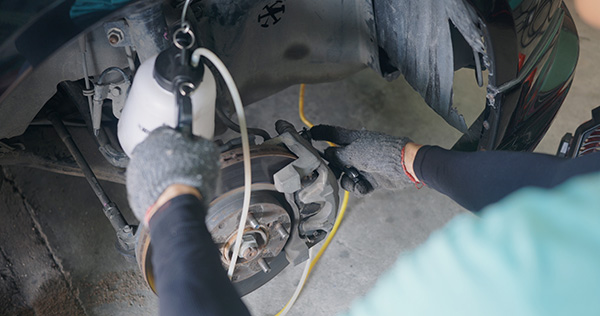
Brake fluid spends its entire service life dealing with pressure, heat, moisture, and movement through small hydraulic passages. It can keep doing its job for years without giving the driver an obvious warning that its condition has changed. Once the fluid becomes contaminated, it can no longer protect the brake system as well as fresh fluid. The cause is not always simple dirt. Water, corrosion, degraded rubber, incorrect fluids, and age can all change what is circulating through the lines, calipers, master cylinder, and ABS components. How Moisture Gets Into Brake Fluid Most common brake fluids absorb moisture from their surroundings. The hydraulic system is closed, but moisture can still enter slowly through seals, hoses, reservoir venting, and normal service exposure. Humid conditions can speed up that process. As the water content rises, the fluid's boiling point drops. Heavy traffic, repeated braking, steep roads, towing, or a series of hard stops can cre ... read more