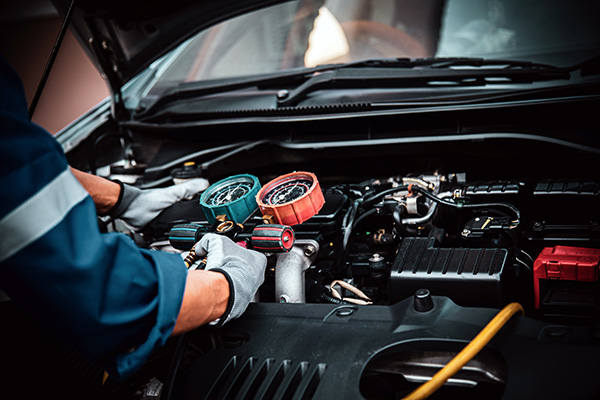
A gurgling sound after you shut the engine off can be strange the first time you hear it. The car is parked, the drive seems normal, and then you catch that bubbling or hollow sloshing sound from under the hood or somewhere near the dash. A lot of drivers ignore it because the vehicle still seems to be running fine.
Most of the time, though, that noise is tied to the cooling system.
Why It Happens After The Engine Is Off
The engine does not cool down the second you turn the key off. There is still a lot of heat sitting in the engine, the coolant is still hot, and pressure inside the system is still changing for a few minutes. That leftover heat can make small cooling system problems much easier to hear after shutdown than while you are driving.
That is why the noise often shows up in the driveway and not on the road. While the engine is running, fan noise and normal driving sounds cover a lot of it up. Once everything gets quiet, the bubbling becomes much more obvious.
Low Coolant Is One Of The First Things To Suspect
One of the most common reasons for this sound is low coolant. When the coolant level drops, air can enter areas where coolant should flow evenly. Then, when the engine is shut off and the system starts settling, the trapped air moves around, creating the gurgling sound.
This is where people get caught off guard. The car may not overheat right away, so the noise seems minor. In reality, low coolant is often the first sign that the system is not sealed or circulating the way it should.
Trapped Air Can Make The Heater And Cooling System Act Odd
Air in the cooling system does more than make noise. It can affect heater performance, coolant flow, and the way the temperature behaves in traffic. If the sound seems like it is coming from behind the dashboard, the heater core may be part of what you are hearing.
A few signs often show up together:
- The heater blows warm, then cooler, then warm again
- The coolant reservoir level keeps changing
- The sound seems strongest near the dash or firewall
- The temperature gauge acts differently than it used to
That combination usually points to a cooling system issue, not just a harmless noise.
A Weak Cap Can Cause More Trouble Than People Expect
The radiator cap or pressure cap is easy to overlook, but it does an important job. It helps control pressure in the cooling system and allows coolant to move properly between the radiator and the overflow reservoir. If the cap is weak, the coolant can boil sooner than it should and move unevenly through the system.
That can create bubbling in the reservoir and more noticeable gurgling after the engine is turned off. Sometimes the cap is the whole issue. Other times, it is just one piece of a larger cooling system problem. Either way, it is worth checking before the heat starts causing damage elsewhere.
Sometimes The Noise Points To A Bigger Problem
Not every post-shutdown gurgle means something major, but repeated noise should not be brushed off. A thermostat that is sticking, a water pump that is not moving coolant properly, or a cooling system leak can all create the same basic sound. In more serious cases, combustion gases entering the cooling system can create bubbling, too.
That is why the pattern matters. A one-time sound after recent service is different from a noise that keeps coming back with coolant loss, a sweet smell, or a gauge that creeps higher in traffic. When those symptoms start appearing together, the risk rises quickly.
Why Waiting Usually Makes It More Expensive
Cooling system problems rarely stay small. A minor leak becomes low coolant. Low coolant leads to trapped air. Trapped air creates hot spots and poor circulation. Before long, the repair is no longer about a cap, a hose, or a small leak. It can lead to overheating, heater problems, or engine damage.
That is why this sound is worth checking early. At this stage, the car is usually still giving you time to fix the actual cause before the system gets pushed too far.
What Should Be Checked
A proper cooling system inspection should look beyond just the coolant level. The cap, hoses, reservoir, visible leak points, heater performance, and overall temperature behavior all help tell the story. If the system has recently been worked on, trapped air should be considered too.
This is also one of those times where regular maintenance really pays off. Small cooling system issues are much easier to handle before they turn into recurring overheating.
Get Cooling System Repair In Cromwell, CT, With Complete Automotive Repair Specialists
If your car makes a gurgling sound after you shut it off, Complete Automotive Repair Specialists in Cromwell, CT, can inspect the cooling system, identify the cause, and fix it before trapped air or coolant loss becomes a much bigger repair.
Bring it in early and let the cooling system get corrected before that sound becomes an overheating problem.