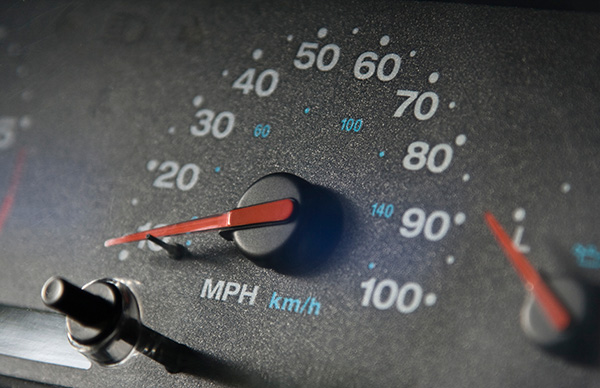
Most drivers do not think much about the speedometer until it starts acting strangely. It is one of those parts of the car you expect to just work. You glance down, see your speed, and keep moving. But when the needle starts bouncing, the numbers stop making sense, or the display goes completely dead, it gets your attention fast.
At our shop, we see speedometer issues more often than people think. Sometimes the problem is minor and electrical. Sometimes it is tied to a sensor. Sometimes it is part of a bigger issue involving the transmission, instrument cluster, or vehicle computer. The frustrating part for drivers is that speedometer trouble can show up in a lot of different ways. The good news is that once the cause is identified, there is usually a clear path to fixing it.
A working speedometer matters more than avoiding tickets. It helps you drive safely, keep up with traffic properly, and in many vehicles, it supports other systems too. Cruise control, transmission shifting behavior, odometer readings, and even driver assistance features may rely on accurate vehicle speed information. That is why a speedometer problem is not something we recommend ignoring.
What A Speedometer Actually Depends On
In older vehicles, speedometers often relied on a cable system connected to the transmission. In newer vehicles, speed information is usually sent electronically using sensors and computer modules. Most modern cars use a vehicle speed sensor or wheel speed sensor input, which sends data to the engine computer, body control module, or instrument cluster.
That means when the speedometer stops working, the issue is not always the gauge itself. It may be a sensor, wiring problem, communication issue, or cluster failure. This is why guessing can get expensive fast. Replacing the wrong part does not solve the problem, and many speedometer symptoms overlap with other electrical issues.
The Speedometer Stops Working Completely
One of the most obvious problems is a speedometer that just goes dead. The vehicle is moving, but the needle stays at zero, or the digital display never changes. When that happens, one of the first things we think about is a failed speed sensor or a signal issue.
If the sensor that provides speed information has stopped working, the car may not know how fast it is going. In many cases, that means the speedometer gets no usable signal. This kind of problem can also affect the odometer, transmission behavior, and cruise control, depending on the vehicle.
When we diagnose this kind of failure, we usually start by checking for stored trouble codes, live data, and whether the sensor is reporting speed to the vehicle computer. That helps us determine whether the problem starts at the sensor, the wiring, or the cluster.
The Needle Jumps, Bounces, Or Acts Erratic
This is another very common complaint. A driver says the speedometer works, but not smoothly. The needle may jump around, read too high and then drop, or bounce in a way that clearly does not match how the car is actually moving.
That kind of symptom often points toward an unstable signal. A failing speed sensor, damaged wiring, poor connection, or internal cluster issue can all create an erratic reading. In older vehicles with cable-driven speedometers, a worn or binding cable may also be responsible.
Erratic speed readings are more than just annoying. They make it hard to judge your actual speed and can be a clue that the vehicle is having trouble processing speed information consistently.
The Speedometer Is Clearly Reading The Wrong Speed
Sometimes the speedometer works steadily, but the reading is just wrong. The car may say you are going much faster or slower than you really are. In some cases, drivers only realize this after comparing it to a GPS speed reading or noticing traffic flow does not match what the gauge says.
There are a few possible reasons for this. Incorrect tire size can affect speedometer accuracy. So can certain programming issues or calibration problems. In other cases, the cluster itself may be misreading the input signal.
If the vehicle has had tire size changes, wheel changes, or module replacement, that becomes part of the conversation right away. At our shop, we do not just look at the speedometer by itself. We also ask whether anything about the vehicle setup has changed.
The Speedometer Works Sometimes But Not Others
Intermittent speedometer problems are especially frustrating because they make the car feel unreliable. Maybe the speedometer works fine on one trip and then fails on the next. Maybe it drops out after the vehicle warms up. Maybe it works until you hit a bump.
This kind of pattern usually makes us think about wiring, connection issues, or a sensor that is starting to fail under certain conditions. Loose connectors, damaged wiring insulation, corrosion, or internal electronics that break contact when hot can all create intermittent symptoms.
This is one reason we always like to hear exactly when the problem happens. The more specific the pattern, the easier it is to narrow the diagnosis.
The Odometer And Cruise Control Stop Working Too
When the speedometer problem comes with other symptoms, that helps us a lot. If the odometer stops counting properly or the cruise control quits working at the same time, those issues often point toward the same root cause. They all rely on accurate speed information.
A few signs that often go along with speedometer trouble include:
When several of those happen together, it usually means the vehicle is losing or misprocessing the speed signal rather than just having a simple gauge issue.
Common Causes We Find
While every vehicle is different, there are a few causes we see again and again. A bad vehicle speed sensor is near the top of the list in many modern vehicles. Wiring damage is also common, especially where harnesses are exposed to heat, moisture, or movement. On some vehicles, the instrument cluster itself fails internally and needs repair or replacement.
In older vehicles, a worn speedometer cable may still be the issue. That is less common than it used to be, but we still see it on certain models.
Sometimes the problem is tied to the ABS system too, especially in vehicles where speed information is shared between wheel speed sensors and other modules. That is why a proper scan and inspection matter. What looks like a speedometer issue may actually start in another part of the vehicle network.
How We Fix Speedometer Problems
At our shop, we fix speedometer issues by diagnosing the cause first, not by guessing. That usually starts with scanning the vehicle for trouble codes, looking at live speed data, and checking whether the computer is receiving and sending the right information.
From there, the repair depends on what we find. In some cases, we replace a faulty speed sensor. In others, we repair damaged wiring or corroded connectors. If the problem is in the instrument cluster, we may recommend cluster repair, replacement, or reprogramming, depending on the vehicle. If tire size or calibration is the issue, we correct that.
The goal is not just to get the needle moving again. It is to make sure the speed reading is accurate and that any related systems are working properly, too.
Why You Should Not Ignore It
It is tempting to live with a bad speedometer for a while, especially if the car still drives. But the problem can affect more than you might expect. If your speedometer is dead, inaccurate, jumpy, or acting strange, come see us at Complete Automotive Repair Specialists in Cromwell, CT. We can diagnose the problem, explain what is causing it, and make the right repair so you can get back on the road with confidence.
Call us today or stop by to schedule an inspection.